ABA @ WORK
Air Traffic Control
'Runway two four cleared to land, wind one niner zero degrees eight knots'The soft and relaxed voice from the ground has a soothing effect on the pilot who completes his tiring journey
by making a successful landing. It's a wonder for many how an aircraft reaches its final destination
from a departure station, who all are involved in the process of safe flight and landing.
It is understandable if they assume that the pilot is the person who takes care of everything from take-off,
enroute flying and landing. Perhaps in general know about the pilot, but much less about those
who remain behind the screen and shoulder the responsibility of guiding the flights from the starting
an engine at departure aerodrome to its landing at destination.
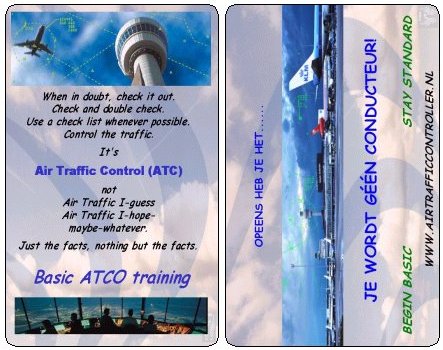
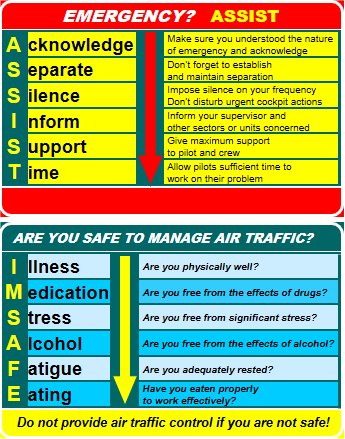
For almost a decade, I was an instructor in the world of civil aviation, in air traffic control in particular, and involved in teaching the basics of navigation, avionics, radio and radar facilities, automation, approach and holding (PANSOPS) procedures to air traffic control students (ab initio's) and, at irregular times, subjects concerning human factors, coaching techniques and radiotelephony phraseologies. I've also tried to get familiar with Toolbook as to develop computer based training (CBT) packages on matters mentioned earlier.
Then I joined for some years a team of quality managers busy with the objective to get Air Traffic Control the Netherlands certified according the ISO9001
 standard. With success though it will be a great challenge for all Dutch
ATC employees to maintain this high standard. Anyhow, ATC the Netherlands
got the ISO 9001 approval in October 2000!
I turned back into ATM (Air Traffic Management) training in 2001. Now occupied with coaching and training instructors as well as ab initio controllers. Part of the task is also to design scenario's and build simulator exercises on a basic simulator manufactured by Indra
 from Spain. This all has to
be in accordance with the so called Common Core Content of ATM training as
developed by the Eurocontrol member states. Yes, that requires a lot of
paperwork too.
In August 2006 it was time to join a team of experts that maintains, facilitates and developes all aspects that are required to run a Tower and Approach service at a so called regional airport.
I forgot to mention that before I started training student controllers I had been working at Maastricht-Aachen Airport for some years. Control service was provided from a very small and old tower. While the construction of a new tower took place air traffic control was housed in an even smaller mobile tower. After surviving wintertime in this mobile tower the new tower became operational and we could finally move in.
 But I started my career as a
 submarine radio operator. Fooling around with
transmitters and
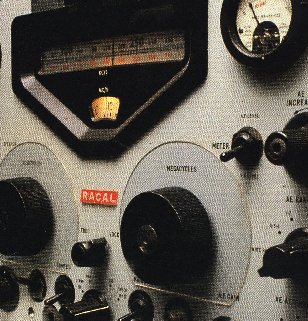 receivers such as the RACAL
RA17.
In my spare time I try to keep track on the internet and explore its benefits as much as possible.
And although the ATC environment needs people with an almost absolute serious and responsible attitude, in my view, however, the best drive ever to achieve whatever is at least fun or any other equivalent for humour.
Retired since September 26, 2022 and therefore never working again.
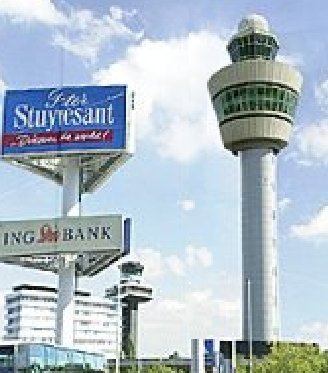
Headquarters
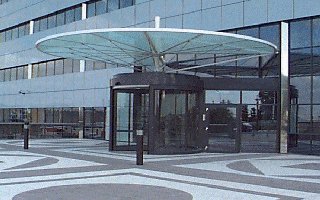
Air Traffic Control the Netherlands
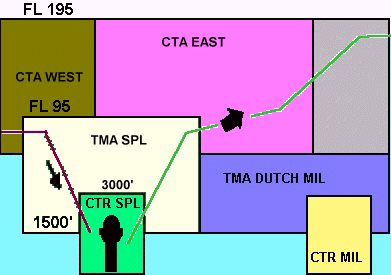
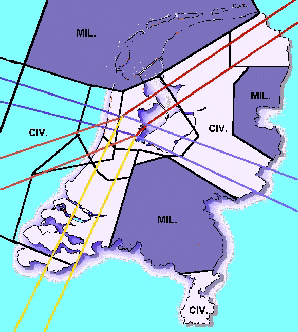
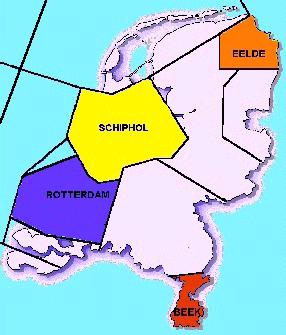
For those of you not familiar with the world of Peter Stuyvesant a few topics on ATC.
Air traffic control in the Netherlands is provided by:

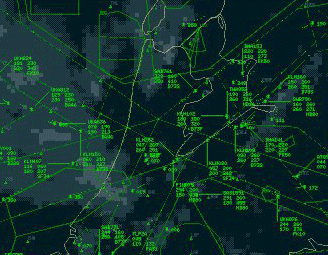
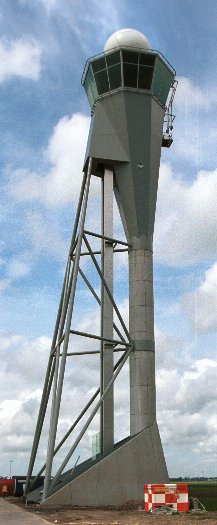
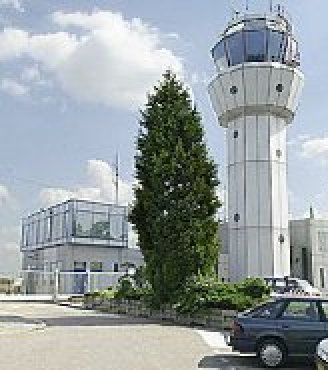
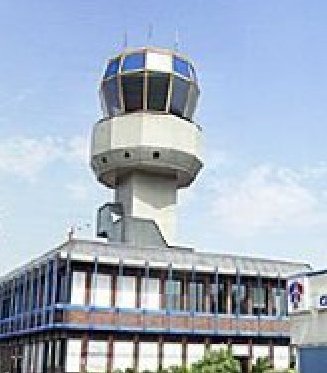
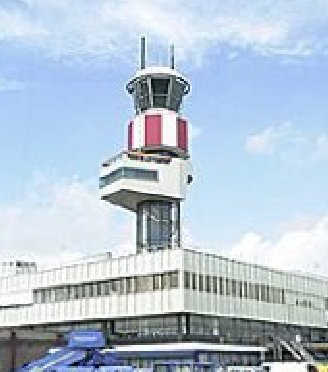



 or elsewhere.




 It is no longer updated and
gone into the internet history archive.